Hillary Graves founded Little Dish in 2006 because, she says, “there were no fresh meal options in the supermarket for babies and young children. I wanted to create a range of delicious, just like home-made recipes that were kept in the fridge, not the cupboard.”
Parents clearly agreed – and the firm was acquired by US-based private equity firm Profile Capital in a deal valued at £17 million in 2017. But Graves is still at the helm and Little Dish has scaled from a trial in a handful of shops to a brand in stores including Sainsbury’s, Asda, Morrisons, Tesco, Waitrose, and Ocado. Here the founder shares her hard-learned lessons for success:
Find a genuine consumer need:
The best innovation isn’t just about creating something new. Identify where existing products fail, then build a solution that makes people’s lives easier, better, and happier. In our case, parents care about the food they feed their children, but they don’t always have time to cook from scratch every night.
Know your audience and build a relationship:
Consumer research is key. Our Taste Testing panel was my children in the early days – over time we have grown our tasting network to over 200 kids across the UK. Understanding what is most important to your target audience helps at launch, but also in ensuring you have on-going feedback as you refine over time.
Never compromise on quality:
Your product should continue to get better. As your business grows, there will be opportunities to become more profitable through cost reductions. Choose options that improve margins, but never compromise the quality and standards of your product.
Social impact and sustainability matter:
Prioritising social impact and sustainability builds long-term brand equity and deeper trust: consumers seek out socially responsible brands. We partnered with food redistribution charity The Felix Project to donate over half a million meals to children in need.
Building awareness isn’t just about advertising:
Before we had money to spend on marketing, we dropped flyers and vouchers at local nurseries and playgroups near stores where our meals were sold, and hired ‘community marketers’ – other parents – to host tastings at their homes. This word-of-mouth, ‘parents recommending Little Dish to other parents’ approach was critical to our early success. Social media provided new channels to connect with parents, including working with a network of influencers.
Be prepared that everything won’t go to plan:
There will be challenges and mistakes: the important thing is to be resilient and come out the other side stronger. Setbacks are opportunities to approach things differently next time. Make sure you have a good support system in place: a business partner you trust, a talented team with a shared vision, and/or an advisory board. And take time to celebrate the wins along the way.
Read more about Little Dish via their website and read more of our scaleup stories here.
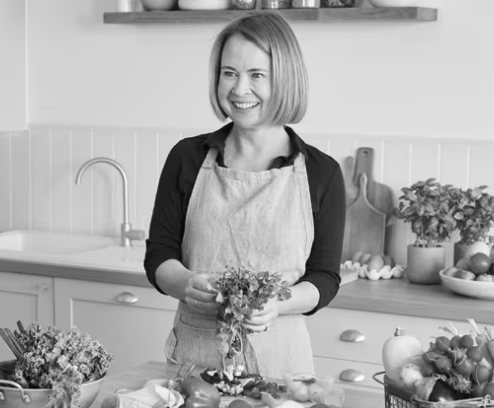
Hillary Graves, founder of a Little Dish
